Cultural Tours in Romania
What Are the Best Cultural Tours Available in Romania?
Posted on Thu 28 Aug 2025 · by James Chisnall
Romania, a country steeped in history and tradition, offers an array of enriching experiences for those keen to explore its cultural heritage. From medieval castles and historic cities to traditional villages and religious sites, Romania has something to captivate every cultural enthusiast. Here’s a guide to some of the finest cultural tours you can enjoy in Romania.
Medieval Castles and Fortresses
Bran Castle
Bran Castle, often referred to as Dracula’s Castle, is one of Romania’s most iconic landmarks. Perched on a rocky hill, the castle has a long and fascinating history dating back to the 14th century. Originally built as a fortress to defend against invasions, it later became a royal residence.
Visitors can wander through the castle’s winding staircases, hidden passageways, and rooms filled with antique furniture and historical artefacts. Guided tours provide in-depth insights into the castle’s past, including its association with Vlad the Impaler. The surrounding gardens and nearby village also offer charming walks and opportunities to discover local crafts.
Peleș Castle
Situated in the Carpathian Mountains near Sinaia, Peleș Castle is a masterpiece of Neo-Renaissance architecture. Built in the late 19th century, it served as the summer residence of Romania’s royal family. Its lavish interiors house an impressive collection of European art, weaponry, and furniture.
Guided tours lead visitors through grand halls, private chambers, and the magnificent armoury room. Highlights include the Hall of Honour, with its intricately carved woodwork, and the Grand Armoury, which showcases medieval weapons and suits of armour. The beautifully kept gardens and mountain backdrop add to the castle’s allure.
Corvin Castle
Corvin Castle, also known as Hunyadi Castle, is one of the largest and most striking castles in Europe. Located in Hunedoara, it exemplifies Gothic-Renaissance architecture with its soaring spires, drawbridge, and dramatic courtyard.
Exploring the Knight’s Hall, the chapel, and even the castle’s former torture chamber provides a glimpse into Romania’s turbulent history. Guided tours often include tales of its construction, its role in medieval politics, and legends surrounding its former inhabitants.
Historical Cities and Towns
Sighișoara
Sighișoara, a beautifully preserved medieval town and UNESCO World Heritage Site, is famed for its cobbled streets, colourful houses, and imposing towers. It is also the birthplace of Vlad the Impaler.
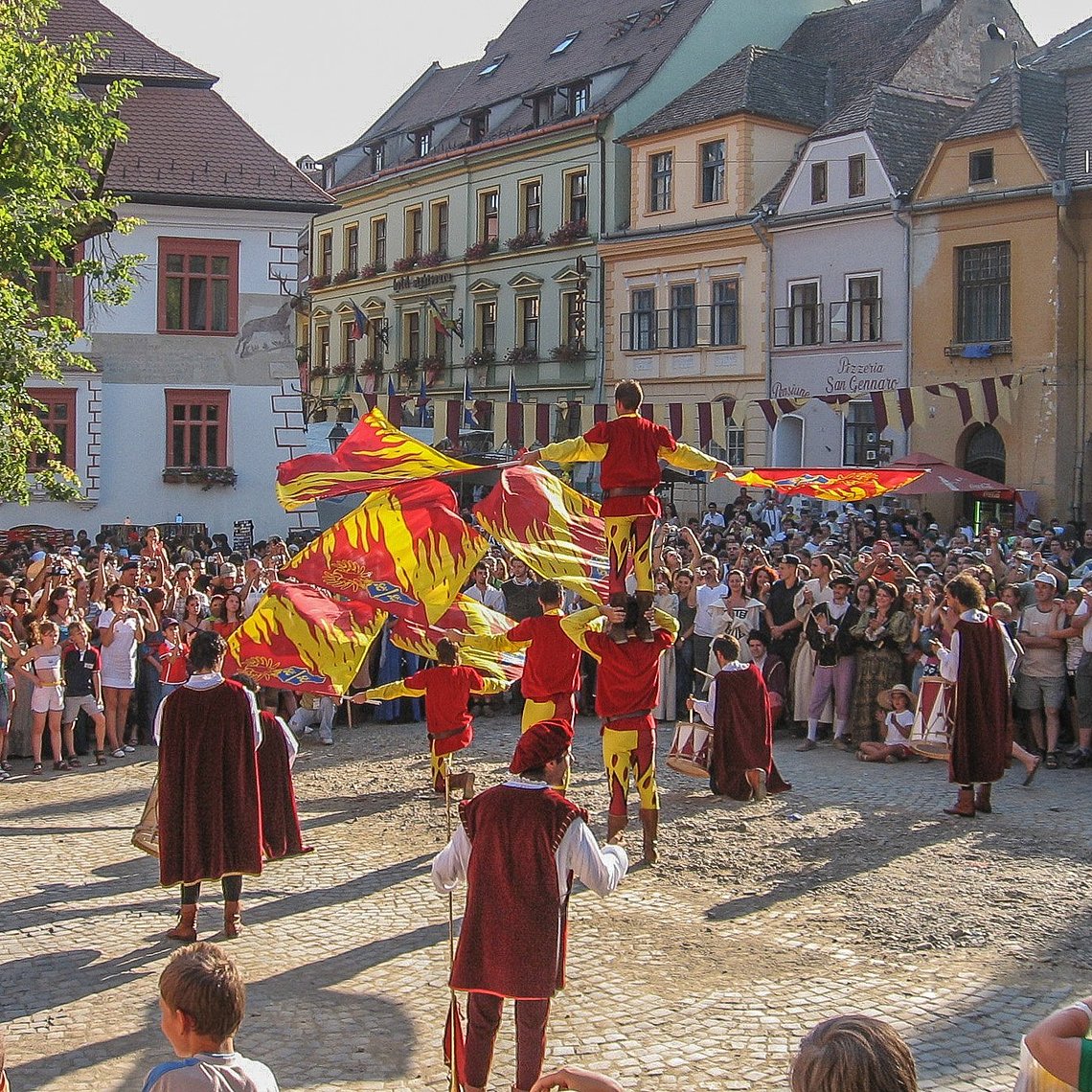
Must-see sites include the Clock Tower, which offers panoramic views, and the Church on the Hill, reached via a covered wooden staircase. Cultural tours highlight the town’s history, architecture, and folklore. During the annual Medieval Festival, the town comes alive with re-enactments, music, and traditional crafts.
Sibiu
In the heart of Transylvania lies Sibiu, a city renowned for its architectural elegance and vibrant cultural life. From medieval fortifications to Baroque buildings, the city reflects centuries of history.
Highlights include the Brukenthal National Museum, home to one of Eastern Europe’s oldest art collections, and the Astra National Museum Complex, dedicated to Romanian folk culture. Its lively squares host cultural events and festivals throughout the year, making Sibiu one of Romania’s most dynamic destinations.
Brașov
Nestled at the foot of the Carpathians, Brașov offers both historical charm and modern vibrancy. The city is home to the Black Church, the largest Gothic church in Romania, famed for its architecture and historic organ.
Walking tours reveal medieval fortifications, pretty squares, and Rope Street – one of the narrowest streets in Europe. Visitors can balance history with modern culture by enjoying Brașov’s buzzing cafés, restaurants, and shops.
Traditional Villages and Rural Life
Viscri Village
Viscri, another UNESCO World Heritage Site, is a traditional Saxon village known for its fortified church and whitewashed houses with blue trim.
Cultural tours here often include visits to the fortified church, as well as hands-on activities such as bread-making, craft workshops, and farming experiences. The village’s slow pace and authenticity provide a peaceful and educational escape.
Maramureș
In northern Romania, Maramureș is a region renowned for its wooden churches, rustic houses, and centuries-old traditions.
Tours often include UNESCO-listed wooden churches, famed for their artistry and history, as well as local markets where handmade crafts and foods are sold. Staying in a traditional wooden guesthouse offers a genuine immersion into rural life.
Religious Heritage
Painted Monasteries of Bucovina
The painted monasteries of Bucovina are among Romania’s greatest cultural treasures. Their vivid exterior frescoes, painted in the 15th and 16th centuries, depict biblical scenes designed to educate the local population.
The most notable monasteries include Voroneț, Sucevița, and Moldovița, each with distinctive artistic styles. Guided tours provide fascinating explanations of the frescoes’ symbolism, the techniques used, and their wider cultural significance.
Horezu Monastery
Another UNESCO World Heritage Site, Horezu Monastery, built in the 17th century by Prince Constantin Brâncoveanu, is a masterpiece of Brâncovenesc architecture.
Visitors can admire the intricate carvings, frescoes, and peaceful grounds, while the museum houses religious artefacts and documents. A guided visit reveals both its architectural beauty and its spiritual importance.
Natural and Cultural Landscapes
Danube Delta
The Danube Delta, a UNESCO World Heritage Site, combines natural wonder with cultural heritage. As one of Europe’s best-preserved river deltas, it is home to an incredible variety of bird species.
Boat tours allow visitors to explore its waterways while spotting pelicans, herons, and cormorants. Many tours also include stops in traditional fishing villages, where visitors can try local cuisine and learn about centuries-old traditions.
Carpathian Mountains
The Carpathians provide a stunning backdrop for tours that mix history, culture, and nature. Visitors can explore castles like Bran and Peleș or historical towns such as Brașov and Sibiu, all set within breathtaking landscapes.
Cultural tours often incorporate hiking, wildlife watching, and visits to rural villages, blending outdoor adventure with historical exploration.
Festivals and Cultural Events
George Enescu Festival
Held biennially in Bucharest, the George Enescu Festival is Romania’s most prestigious classical music event. It attracts world-class orchestras and soloists, celebrating the legacy of the great Romanian composer.
Visitors can enjoy concerts, recitals, and masterclasses across the city, experiencing a rich programme that ranges from classical masterpieces to contemporary works.
Transylvanian Medieval Festival
This lively festival, held in towns across Transylvania, celebrates medieval culture through re-enactments, jousting tournaments, music, dance, and traditional markets.
Visitors can don medieval armour, try local crafts, and sample regional delicacies, making the experience as interactive as it is entertaining.
Romania’s cultural richness, from its medieval fortresses and historic cities to its traditional villages and vibrant festivals, makes it an outstanding destination for cultural tourism. Whether you are exploring painted monasteries, wandering cobbled towns, or immersing yourself in rural life, Romania offers a wealth of unforgettable experiences for the culturally curious traveller.
