Georgian Polyphonic Music Tour
Where Can You Go on a Georgian Polyphonic Music Tour?
Posted on Wed 13 Aug 2025 · by James Chisnall
Georgian polyphonic music, recognised by UNESCO as an Intangible Cultural Heritage, is an extraordinary tradition passed down through generations. This unique style of singing, characterised by multiple, independent vocal lines, offers a beautiful insight into Georgia’s deep cultural roots. For those wishing to explore this fascinating musical heritage, there are a variety of destinations across Georgia where you can experience the magic of polyphony first-hand. From bustling cities to remote mountain villages, each region provides a distinct musical experience.
Tbilisi: The Capital’s Musical Pulse
Urban Venues Showcasing Polyphony
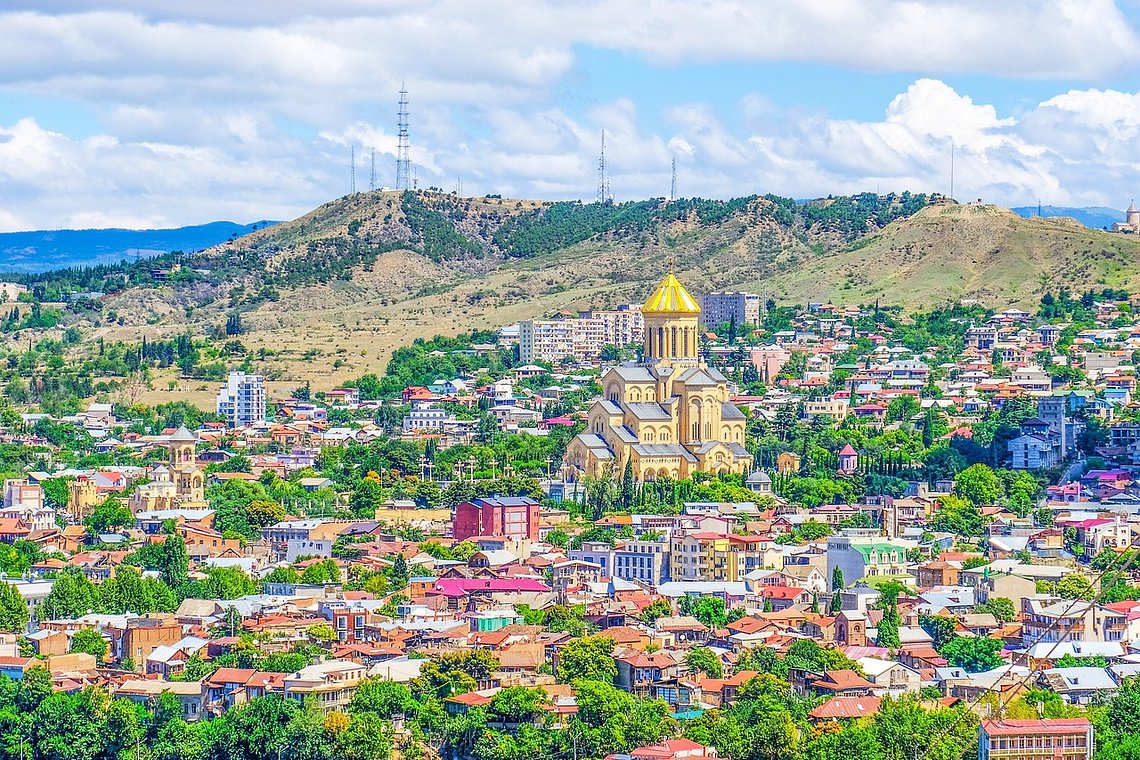
Tbilisi, Georgia’s vibrant capital, is at the heart of the country’s polyphonic music scene. The city is home to some of the finest venues where this ancient tradition is kept alive. The Tbilisi Opera House regularly hosts performances by renowned Georgian ensembles such as the Rustavi Ensemble, one of the leading choirs dedicated to preserving polyphonic music. Alongside these grand performances, Tbilisi’s smaller, more intimate venues often feature local choirs and polyphonic singers, offering a more personal connection to the music. These spaces are ideal for visitors eager to immerse themselves in the rich sounds of Georgian polyphony.
Workshops and Cultural Centres
Tbilisi is also a hub for cultural exchange, where visitors can attend workshops to learn more about the art of polyphonic singing. Institutions such as the Tbilisi State Conservatoire and other local cultural centres regularly offer classes and immersive experiences in Georgian music. Workshops are often led by master singers and musicians, providing an opportunity for both locals and visitors to delve into the techniques that make Georgian polyphony so distinctive. Collaborations between Georgian artists and international ensembles also breathe new life into this ancient tradition, further solidifying Tbilisi’s role as a beacon of Georgian culture.
Svaneti: The Singing Mountain Villages
The Singing Village of Lakhushdi
If you’re looking to experience polyphony in one of its most authentic forms, a visit to the Svaneti region is a must. Nestled in the towering Caucasus Mountains, Svaneti is home to some of the most impressive polyphonic traditions in Georgia. The village of Lakhushdi is particularly famous for its ancient heritage, where the Chamgeliani family has played a crucial role in preserving these musical traditions. Visitors to this remote village can enjoy performances by local singers, who perform centuries-old songs passed down through generations. Hearing polyphonic music in such a breathtaking mountain setting is an experience that leaves a lasting impression.
Svaneti’s Remote Communities
Beyond Lakhushdi, Svaneti’s remote villages are rich in polyphonic treasures. In places such as Mestia and Ushguli, polyphonic music remains an integral part of daily life, often performed during festivals, weddings, and family gatherings. These communities, tucked away in rugged mountains, have safeguarded their musical practices through isolation and dedication. Visiting these areas allows you to witness the power of polyphony in its purest form, without the distractions of modern life. Engaging with the local singers provides a deep connection to a way of life that has existed for centuries.
Guria: The Heartland of Polyphonic Song
Lanchkhuti and the Avto Turkia Family
Guria, located on the Black Sea coast, is often considered the heartland of Georgian polyphonic music. The region is known for its distinctive style, which differs slightly from other areas yet retains the same richness and complexity. Lanchkhuti, a town in Guria, is home to the Avto Turkia family, who have been central to preserving and teaching the traditional songs of the region. This family is renowned for their mastery of the Gurian style, characterised by its rhythmic and energetic qualities. Visitors to Lanchkhuti can often attend private performances or even enjoy hands-on learning experiences with members of the Turkia family.
Cultural Immersion Experiences
Guria’s role in Georgian polyphony goes beyond the music—it is about living the culture. Visitors can participate in cultural immersion experiences that include attending local performances and meeting the musicians who keep the tradition alive. Many local festivals, such as those held annually in Lanchkhuti, celebrate the rich polyphonic heritage of the region. These events offer a wonderful opportunity to hear the diverse styles that have shaped Georgia’s musical landscape. For those eager to learn, there are opportunities to join local households, where music is often sung during meals and gatherings.
Kakheti: Eastern Georgia’s Musical Landscape
Tbilisi and Kakheti Regions
Kakheti, in eastern Georgia, is best known as the birthplace of Georgian wine, but its polyphonic music scene is equally vibrant. The region’s traditions are influenced by both the eastern and western parts of the country, with unique traits shaped by its geography and cultural exchanges. Kakheti’s proximity to the Caucasus Mountains and ancient trading routes has brought Eastern influences, which blend seamlessly into its polyphonic music. Visitors can enjoy performances in the regional capital, Telavi, as well as in smaller villages where the art of polyphonic singing has been preserved for generations.
Ethnomusicological Tours
For a deeper exploration of Kakheti’s polyphonic music, ethnomusicological tours provide an immersive experience. These tours, often led by local experts such as Nino Naneishvili, offer detailed insight into the region’s heritage. Participants can visit villages, meet traditional singers, and even learn some of the techniques behind Kakheti’s distinctive harmonies. Combined with the region’s wines, food, and scenic landscapes, these experiences create an unforgettable journey for music lovers and cultural enthusiasts alike.
Adjara: Coastal Polyphony
Keda Municipality’s Musical Traditions
The Adjara region, along the Black Sea coast, is often overlooked when discussing Georgian polyphonic music, yet it offers a rich and unique tradition. The Keda municipality is particularly known for its distinctive Ajarian style, deeply rooted in local culture and typically performed during festive occasions such as weddings and public celebrations. The coastal setting has influenced the music, with rhythms and melodies reflecting the sea’s powerful presence. Local ensembles continue to keep these traditions alive, offering visitors an authentic and lively experience.
Festivals and Public Celebrations
Between mountains and sea, Adjara’s festivals showcase the vibrancy of the region. Events such as Shuamtoba, Kolkhoba, and Tbeloba feature performances from local choirs and singers. These gatherings are not solely about music—they also include traditional dance, food, and crafts, offering a full cultural experience. The polyphonic performances are often enriched with storytelling and community participation, making them immersive and memorable.
The Racha Region: The Last Frontier of Polyphony
Racha’s Unique Musical Style
Racha, a hidden gem in Georgia, is often called the “last frontier” of polyphony, largely due to its remote, isolated setting. The region’s distinct style is shaped by its mountainous terrain and long-standing seclusion, making it a rare example of polyphony in its most traditional form. Racha’s music is often more complex and raw than that of other regions, which only adds to its charm. Deep, resonant harmonies reflect the rugged landscape and the community’s close connection to nature. Visitors can enjoy the raw beauty of this unspoilt music, still performed as part of daily life.
Cultural Tours to Racha
For those eager to experience Racha’s traditions, cultural tours offer a truly special insight. Led by local guides and ethnomusicologists, these tours take visitors into rural villages where polyphony is still woven into everyday life. Live performances, community interaction, and hands-on learning help preserve this heritage while offering visitors a rare connection to Georgia’s musical soul.
Georgian polyphonic music, recognised by UNESCO, offers an unparalleled journey through the country’s cultural heritage. From grand performances and intimate workshops in Tbilisi to authentic mountain songs in Svaneti, rhythmic Gurian harmonies, and the raw beauty of Racha, each region tells a different part of Georgia’s story through song.
