Traditional Bosnia Food Tour
What Can You Expect from a Traditional Bosnia Food Tour?
Posted on Mon 4 Aug 2025 · by James Chisnall
A journey through Bosnia and Herzegovina is incomplete without exploring its deeply rooted culinary traditions. Tucked between East and West, this culturally rich country has developed a cuisine that reflects centuries of Ottoman, Austro-Hungarian, and Balkan influences. A traditional Bosnia food tour offers far more than a chance to taste local dishes—it’s an invitation to discover the country’s soul through its kitchens, markets, and dinner tables. Each bite tells a story, from family recipes handed down over generations to the daily rituals that define Bosnian hospitality.
The Heart of Bosnian Cuisine: Traditional Dishes
Ćevapi: Bosnia’s Beloved Street Food
Ćevapi are the unofficial national dish of Bosnia, and no food tour would be complete without sampling them fresh off the grill. These small, skinless sausages made from a mix of beef and lamb are typically served in a warm, fluffy flatbread called somun, alongside chopped onions and a dollop of kaymak (a type of creamy dairy spread). Ćevapi are simple, hearty, and incredibly satisfying—popular with locals and a must-try for visitors. You’ll find them everywhere, from roadside grills to high-end restaurants, and everyone seems to have an opinion on where the best ones are served. Their smoky aroma alone is enough to draw you in.
Burek: A Flaky, Filling Favourite
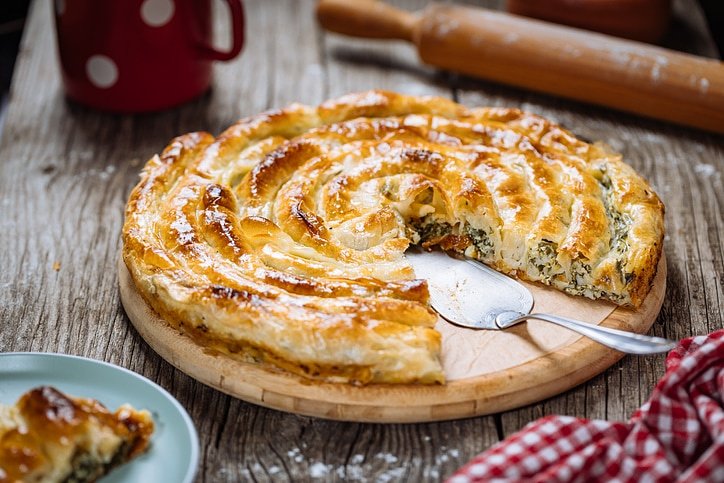
Burek is another staple of Bosnian cuisine, often eaten as a quick breakfast, lunch, or snack. This delicious pastry is made by layering thin sheets of dough (similar to filo) with savoury fillings like minced meat, cheese, spinach, or potatoes, then rolling it into a spiral and baking it until golden and crisp. It’s typically served with a side of yoghurt, which perfectly balances the richness of the pastry. While meat burek is the most common, each variation has its loyal fans. Sold in bakeries across the country, it’s ideal for a grab-and-go bite while exploring Bosnia’s charming old towns.
Sweet Delights: Bosnian Desserts
Baklava: A Timeless Treat with Ottoman Roots
Baklava might be familiar to many, but in Bosnia, it carries a distinct flair that sets it apart from other versions across the region. Rich with layers of buttery pastry, finely chopped walnuts, and fragrant syrup, Bosnian baklava is typically less sweet than its Turkish counterpart, offering a more balanced bite. The technique of preparing baklava is often passed down through families, with each household adding its own touch. Whether enjoyed in a cosy café or offered as a gesture of hospitality in someone’s home, this dessert is synonymous with celebration and warmth. It pairs wonderfully with strong Bosnian coffee and meaningful conversation.
Tufahija: A Dessert Worth Discovering
Tufahija is a traditional dessert that might surprise you with its simplicity and elegance. It consists of a poached apple stuffed with a mixture of walnuts and sugar, sometimes soaked in syrup and topped with whipped cream. Originally introduced during the Ottoman era, it has remained a favourite in Bosnian households and is often served on special occasions. Tufahija showcases the Bosnian knack for turning humble ingredients into something unforgettable. Its light, refreshing quality makes it an ideal way to end a rich and hearty meal. Many travellers discover it by chance and end up craving it long after their journey ends.
Beverages: Traditional Drinks to Complement the Meal
Bosnian Coffee: A Ritual, Not Just a Drink
Bosnian coffee is more than just caffeine—it’s an experience steeped in tradition and ceremony. Similar in style to Turkish coffee, it’s prepared in a small copper pot called a džezva and served in a delicate cup alongside a sugar cube and often a piece of Turkish delight. The coffee is unfiltered, strong, and sipped slowly while enjoying conversation or quiet reflection. It’s common to be invited for coffee as a gesture of hospitality, whether by locals or tour guides. Sitting down for Bosnian coffee is about slowing down, connecting with people, and embracing the rhythm of daily life.
Rakija: The Fiery Welcome
Rakija is a powerful fruit brandy often made from plums, grapes, or pears, and it plays a central role in Bosnian hospitality. Traditionally homemade, this drink is offered as a welcome to guests, a toast to health, or a celebration of life’s moments, big and small. The first sip can be a shock to the system, but its warmth and smoothness quickly win people over. It’s also not uncommon to be offered rakija during a food tour, especially when visiting rural areas or local producers. Though potent, it reflects the openness and generosity of Bosnian culture—and is bound to be a memorable part of your culinary journey.
The Experience: What to Expect on a Food Tour
Local Markets: A Feast for the Senses
No Bosnia food tour is complete without exploring the vibrant local markets that fuel the country’s kitchens. These bustling hubs are packed with seasonal fruits, fresh vegetables, homemade cheeses, cured meats, and handmade preserves. Strolling through the stalls, you’ll hear the hum of bartering, smell the spices in the air, and be tempted by samples offered with a smile. Visiting markets like Sarajevo’s Markale or Mostar’s Old Bazaar provides not only ingredients but also insight into daily Bosnian life. You’re not just buying food—you’re immersing yourself in culture.
Cooking Classes: Learn the Secrets of Traditional Recipes
For those eager to go beyond tasting, cooking classes offer a hands-on way to connect with Bosnian cuisine. Often held in family homes or traditional kitchens, these sessions teach visitors how to prepare classic dishes like dolma, sogan-dolma (stuffed onions), or pita using time-honoured methods. You’ll knead dough, roll pastry, and chop herbs alongside locals who share stories and cooking tips. It’s a deeply rewarding experience that brings you closer to the culture. By the end, you’ll not only enjoy a home-cooked meal—you’ll take a bit of Bosnia home with you.
Cultural Insights: Understanding the Role of Food in Bosnian Society
Hospitality: A Meal is an Act of Welcome
Food in Bosnia is not simply sustenance—it’s an extension of identity and warmth. Hospitality is deeply ingrained in Bosnian culture, and sharing a meal is a key way of expressing generosity and connection. Guests are treated like family, and it’s common to be offered far more food than you can eat. Refusing seconds—or thirds—can even be seen as rude! On a food tour, you’ll often be invited into homes or family-run restaurants where this welcoming spirit shines. Every meal becomes a moment of bonding and cultural exchange.
Festivals: Celebrating with Flavour
Bosnian food traditions come alive during the country’s many festivals and religious holidays. Whether it’s Eid, Orthodox Christmas, or local saints’ day celebrations, food takes centre stage as a symbol of community and joy. Special dishes are prepared in abundance, shared with neighbours, and often tied to unique customs. If your visit coincides with one of these events, your tour experience will be elevated by the buzz and flavour of these celebrations. They offer a snapshot of the role food plays in Bosnia—not just as nourishment, but as a form of storytelling and tradition.
A traditional food tour in Bosnia and Herzegovina is far more than a culinary outing—it’s a heartfelt journey into the country’s soul. Every dish is infused with history, hospitality, and regional pride, from sizzling street foods like ćevapi to comforting homemade desserts and powerful sips of rakija. Whether you're exploring markets, cooking with locals, or simply sharing coffee and conversation, you’ll find that food here is never just food—it’s a celebration, a connection, and a story passed from one generation to the next. For those looking to truly experience Bosnia, there’s no better way in than through its kitchens and tables.
